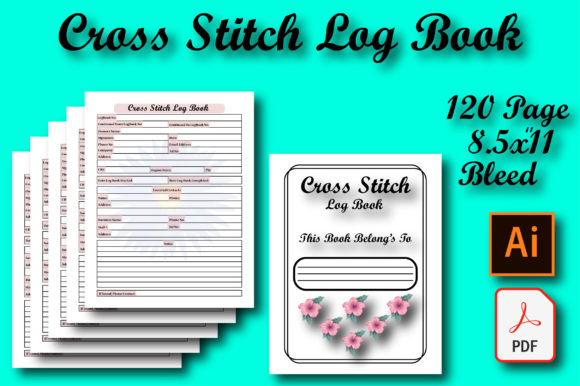
Cross Stitch Log Book Review
As an embroidery designer who spends most of my days balancing stitch density, thread tension, and aesthetic appeal, I am always looking for resources that can streamline my workflow without sacrificing quality. When I first encountered the Cross Stitch Log Book on Creative Fabrica, my initial curiosity was piqued by its dual nature. The product description highlights it as a KDP Interior suitable for low or no content businesses, yet visually, it presents itself with the intricate charm of a traditional cross-stitch pattern. For those of us in the handmade community—whether we are running Etsy shops, designing custom apparel, or creating boutique merchandise—it is crucial to understand how digital assets translate into physical products. This review explores whether this specific design asset holds up under the scrutiny of real-world embroidery projects.
First Impressions: Visual Mood and Design Personality
The immediate visual impact of the Cross Stitch Log Book is one of cozy, rustic nostalgia. Unlike modern, minimalist machine embroidery designs that rely heavily on bold satin stitches and geometric fills, this design leans into the textured, pixelated aesthetic of handcrafted cross-stitch. It feels like something you might find stitched onto a linen kitchen towel or embroidered on the pocket of a denim apron. The "very detailed" nature mentioned in the product description translates to a high level of decorative appeal, offering small motifs that mimic the look of counted thread work.
For embroidery designers, this mood is particularly effective for seasonal gifts, nursery decor, and personalized items. It evokes a sense of warmth and tradition that resonates strongly with buyers looking for handmade product authenticity. However, the detail level also raises questions about execution. A design that looks charming on a screen must be evaluated carefully when transferred to fabric, especially if it involves tiny lettering or dense stitch areas.
Performance in Real Embroidery Projects
I considered using the Cross Stitch Log Book for several potential applications to test its versatility. Here is how it performed across different project types:
- Tote Bag Design and Custom Apparel: The cross-stitch aesthetic pairs beautifully with canvas tote bags and cotton t-shirts. On a tote bag, the design adds a focal point that feels artisanal rather than mass-produced. For sweatshirt embroidery, the texture provides a nice contrast against the soft fleece, provided the hoop size allows for adequate placement.
- Kitchen Towels and Aprons: This is perhaps the most natural fit. The theme of a "log book" or journal complements the domestic setting of a kitchen. When embroidered on a flour-sack towel, the design gains a tactile quality that enhances the handmade gift appeal.
- Nursery Decor and Baby Items: Soft, detailed cross-stitch patterns are staples in nursery collections. If the design includes gentle colors or simple shapes, it works well for baby blankets or pillow covers. The key here is ensuring the design is not too overwhelming for delicate fabrics.
- Embroidered Patches and Caps: For cap embroidery, the curved surface can distort fine details. While the Cross Stitch Log Book has character, complex elements may lose definition on a curved visor. It is better suited for flat surfaces like patches or the front panel of a structured hat.
Practical Considerations and Technical Challenges
Translating a digital design file into a physical reality requires careful planning. The Cross Stitch Log Book presents specific challenges that every embroiderer should consider before uploading it to their machine.
Stitch Density and Small Details: Cross-stitch simulations often require multiple color changes and small fill stitches. High stitch density can make the fabric stiff, which is undesirable for items like aprons or clothing that need to drape naturally. I recommend checking the stitch count and reviewing the density map. If the design is too dense, it may pucker the fabric, especially on lightweight materials.
Hoop Size Constraints: The available hoop size dictates the maximum dimensions of the design. If the Cross Stitch Log Book includes text or small icons, they must remain legible within the chosen hoop area. Tiny lettering can become illegible if the machine drifts slightly or if the fabric stretches during stitching.
Fabric and Stabilizer Selection: The choice of fabric significantly impacts the final look. On stretchy knits, such as those used for custom apparel or sweatshirts, a cut-away stabilizer is essential to prevent distortion. For woven fabrics like linen or cotton, tear-away stabilizers may suffice, but they must be removed cleanly to avoid fraying. Testing on scrap fabric is non-negotiable; it allows you to assess how the threads interact with the material and adjust tension if necessary.
Thread Color Contrast: The success of any embroidery design relies heavily on thread colors. Ensure that the chosen threads provide sufficient contrast against the fabric. Dark fabrics may require a base layer or white underlay to make the cross-stitch colors pop, while light fabrics offer more flexibility but may show imperfections more easily.
Impact on Product Value and Brand Consistency
In the competitive world of online marketplaces, presentation is everything. Using a well-executed Cross Stitch Log Book design can elevate your finished product from generic to premium. Buyers trust brands that demonstrate attention to detail. A clean, precise embroidery job signals quality craftsmanship, which can justify higher price points and foster customer loyalty.
Furthermore, the nostalgic vibe of cross-stitch aligns well with current trends in printable mockup creation. When photographing your products, these designs lend themselves to lifestyle shots featuring coffee cups, books, or cozy interiors. This visual storytelling enhances customer engagement and helps potential buyers visualize the item in their own homes.
However, brand consistency is key. If you mix highly technical, modern machine embroidery with rustic cross-stitch styles, ensure there is a cohesive color palette or thematic link. The Cross Stitch Log Book fits best within a collection that emphasizes comfort, tradition, and handmade charm.
Final Verdict and Licensing Notes
The Cross Stitch Log Book is a versatile asset that bridges the gap between digital novelty and tangible craft. It is ideal for designers looking to add a touch of vintage elegance to their commercial embroidery offerings. Whether you are creating personalized gift sets, expanding your Etsy listings, or producing boutique merchandise, this design offers a strong foundation.
Before incorporating this into your production line, please remember to verify the specific file formats and licensing terms on the Creative Fabrica product page. While the design is described as ready for use, commercial rights vary. Always confirm that you are permitted to sell finished items made from the design. Additionally, inspect the file for any unnecessary jumps or trims that could affect efficiency.
In conclusion, if you value the aesthetic of handcrafted textiles and want to bring that feel into your machine embroidery business, the Cross Stitch Log Book is a worthy addition to your library of design assets. Just proceed with caution regarding stitch density and fabric compatibility to ensure your customers receive a product that is as durable as it is beautiful.