Cross Stitch Graph Paper Notebook KDP Review
As an embroidery designer who spends more time than I care to admit staring at digitized files and testing stitch patterns on scrap fabric, I am always looking for that perfect intersection of nostalgia and modern trend. When I stumbled upon the Cross Stitch Graph Paper Notebook KDP while browsing Creative Fabrica, my first thought wasn't about selling notebooks—it was about how this aesthetic translates to apparel. We are living in an era where "craftcore" is dominating fashion, and nothing says handmade charm quite like the visual language of cross-stitch.
This product falls under the Kdp Interiors and Graphics categories, which initially might seem disconnected from the world of sweatshirt embroidery or boutique hoodies. However, the visual personality of a graph paper layout offers a unique grid-based structure that can be incredibly inspiring for designing chest placements, back prints, and sleeve accents. Let’s dive into how this digital asset can serve as a foundational element for your next custom apparel collection.
Visual Mood and First Impressions
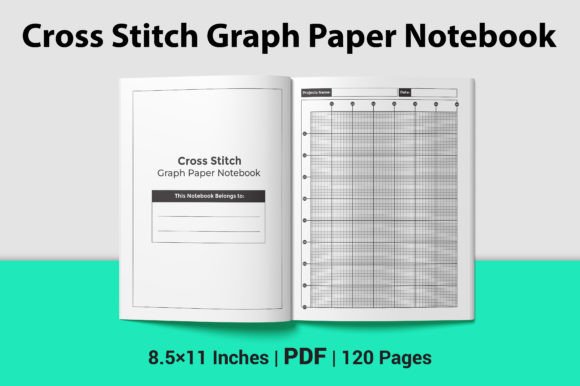
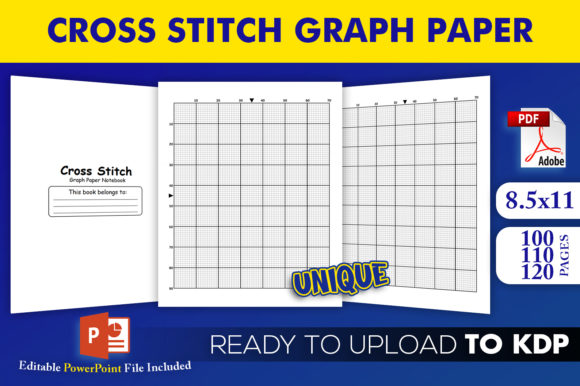
The immediate appeal of the Cross Stitch Graph Paper Notebook KDP lies in its clean, structured aesthetic. It feels both minimal and playful. The grid lines evoke a sense of precision, while the concept of cross-stitch brings warmth and femininity to the design. For a brand looking to establish a specific identity, this graphic strikes a balance between rustic charm and trendy, youthful energy. It is not overly bold or aggressive; rather, it has a quiet confidence that works exceptionally well on neutral tones.
When I imagine this design applied to garments, it screams lifestyle product potential. It fits perfectly with the current demand for cozy, authentic-looking items. Whether you are targeting Etsy sellers looking for unique handmade products or running a larger boutique brand, this graphic provides a versatile canvas. It feels premium because it references a traditional craft, giving the finished product a story behind it—something customers love to read about in their listings.
Applying the Design to Apparel Projects
So, how does a notebook interior translate to clothing? The answer lies in adaptation. Here is how I would approach using the Cross Stitch Graph Paper Notebook KDP across different garment types:
- Sweatshirt Embroidery: This design is ideal for left-chest placement. The grid pattern mimics the texture of a woven fabric, creating a subtle, textured look when embroidered. It adds depth without overwhelming the simple silhouette of a crewneck sweatshirt.
- Hoodie Chest Placement: For a slightly larger statement, placing a scaled-up version of the graph paper motif on the center chest of a hoodie works beautifully. It anchors the garment and draws the eye inward.
- Sleeve Accents: A small, repeated pattern derived from the notebook's grid can run down the side seam of a sleeve. This is a great way to add detail to oversized garments without adding bulk.
- Back Designs: If you want to make a statement, the full page layout could serve as a backdrop for a central logo or quote. The grid acts as a frame, making any text placed over it pop with clarity.
- Tote Bags and Denim Jackets: These are classic canvases for machine embroidery design. The contrast of the graph paper lines against the rough texture of denim or the smooth cotton of a tote bag creates a striking visual interplay.
- Etsy Listings and Social Media: Beyond the physical product, this graphic is perfect for creating printable mockups. Use the notebook cover or interior pages as a background for your social media graphics to maintain visual consistency across your brand’s online presence.
Color Palette and Thread Choices
One of the strongest assets of this design is its adaptability to various thread colors. On a heather grey sweatshirt, white or cream thread will create a soft, tonal effect. On a pastel pink hoodie, a contrasting navy or black thread will define the grid sharply. For dark garments, metallic or bright neon threads can turn the grid into a futuristic, cyberpunk-inspired accent. The key is to match the stitch density to the intended mood—tighter stitches for a crisp, professional look, and looser, satin-like stitches for a softer, more decorative feel.
Practical Considerations for Production
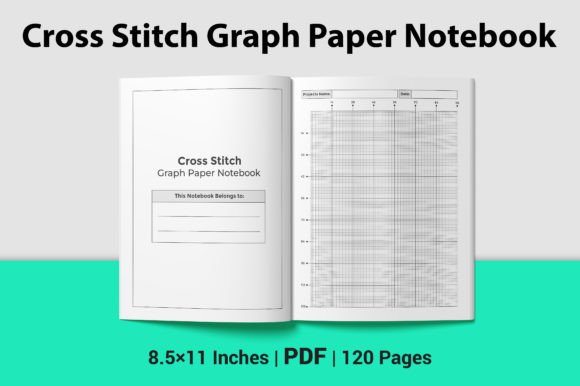
While the visual potential is high, there are practical limitations you must consider as a designer. The Cross Stitch Graph Paper Notebook KDP is a 2D graphic originally designed for print (8.5×11 inches). To use it effectively in embroidery, you need to understand the technical constraints.
Fabric Texture and Stretch: Cross-stitch relies on a uniform weave. Fleece and ribbed fabrics do not provide this stability. If you attempt to embroider a detailed grid onto a stretchy fleece hoodie without proper stabilization, the lines will warp and distort. Always test on scrap fabric first. I recommend using a cut-away stabilizer for heavier garments like sweatshirts to ensure the design holds its shape after washing.
Dense Stitch Areas: If you plan to fill large sections of the grid with solid color, be mindful of the weight. Too much thread can make the fabric stiff and uncomfortable. For a more wearable result, consider using a combination of fill stitches and running stitches to mimic the look of cross-stitch without the bulk.
Small Chest Placement: Be cautious with tiny lettering or very fine grid lines on small placement areas. If the hoop size is too small, the machine may struggle to execute precise movements, leading to skipped stitches. Ensure your embroidery file is optimized for the specific hoop size you are using.
Brand Identity and Customer Value
Incorporating designs like the Cross Stitch Graph Paper Notebook KDP into your lineup does more than just add a new item to your store; it builds brand trust. Customers associate the cross-stitch aesthetic with care, patience, and quality. By offering a commercial embroidery product that reflects these values, you signal to your buyers that you pay attention to detail.
This approach also enhances product recognition. If your brand consistently uses grid-based or craft-inspired motifs, customers will begin to identify your work instantly. This visual consistency is crucial for standing out in a crowded market like Etsy or Instagram. Furthermore, using a trending aesthetic like cross-stitch can boost customer engagement, as people are naturally drawn to content that feels personal and artisanal.
Licensing and Technical Details
Before you start digitizing or printing, it is vital to review the licensing terms associated with the Cross Stitch Graph Paper Notebook KDP. While the product description notes it is ready for Amazon KDP upload in PDF format, commercial use for apparel requires specific permission. Always check if the license allows for physical goods production. Additionally, confirm the exact dimensions and bleed settings. Since the product specifies "No Bleed," you will need to account for margins if you are integrating this into a larger layout.
If you are unsure about the digital embroidery file compatibility or specific machine settings, consult the creator’s guidelines. There is no one-size-fits-all solution for every embroidery machine, so verifying compatibility is key to avoiding wasted time and materials.
Final Thoughts for the Boutique Designer
The Cross Stitch Graph Paper Notebook KDP is more than just a notebook interior; it is a design element with serious potential for the apparel decorator. Its blend of classic structure and trendy vibe makes it a versatile tool for creating cohesive collections. Whether you are producing limited-run small shop products or scaling up for a larger brand, this graphic offers a foundation for creativity.
My advice? Start small. Test the design on a single sweatshirt or tote bag. Experiment with different thread colors and stabilizers. Take high-quality photos of your process and the final result. By treating this graphic with the same respect you would a custom digitized file, you can elevate your finished product and connect with customers who value the artistry behind handmade fashion. Just remember to double-check all technical details and licensing before you commit to production.