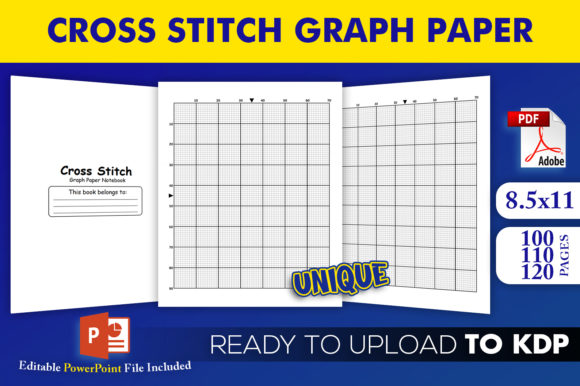
Cross Stitch Graph Paper KDP Interior Review
As an embroidery designer who has spent years translating digital concepts into tangible thread work, I approach every new asset with a mix of creative excitement and technical skepticism. When evaluating Cross Stitch Graph Paper Kdp Interior, my primary focus is not just on its aesthetic appeal as a standalone graphic, but on its viability as a foundational element for small business merchandise. The market for branded goods—from embroidered patches to custom aprons—is saturated, and the difference between a generic product and a premium brand often lies in the subtle details of design execution. This review examines how this specific interior design translates from a digital file into physical branding assets like caps, tote bags, and uniform accents.
First Impressions: Visual Personality and Professional Tone
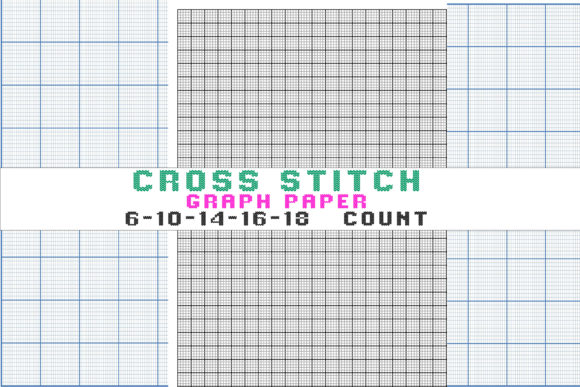
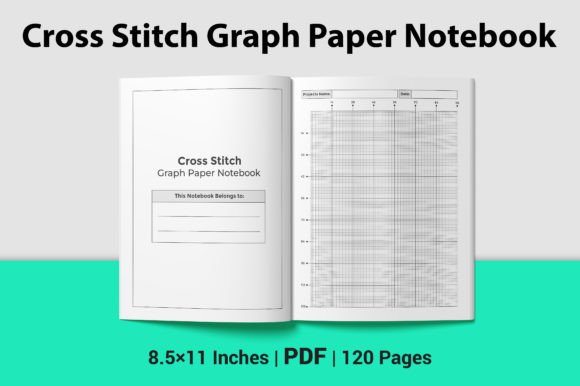
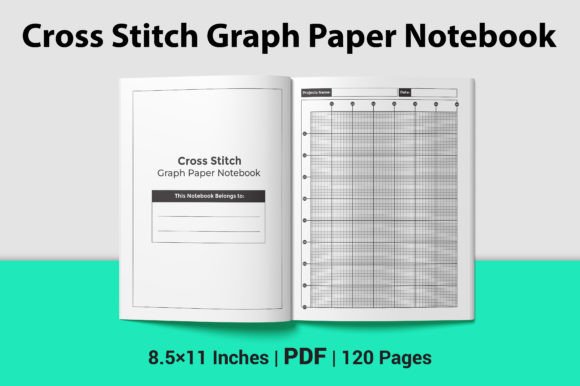
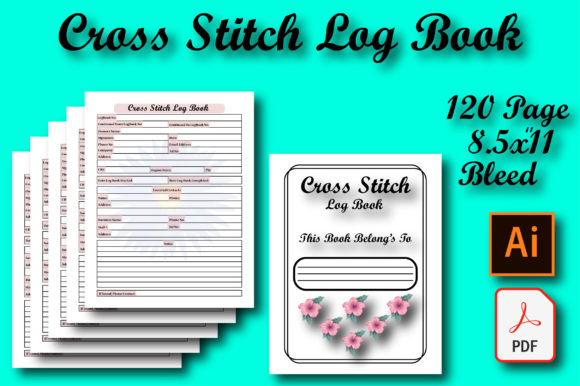
The title Cross Stitch Graph Paper Kdp Interior immediately suggests a blend of structure and craft. In the world of embroidery, "graph paper" implies grid-based precision, which is essential for digitizing designs that need to maintain their integrity at various scales. However, the "cross stitch" aspect introduces a handmade, rustic charm that resonates deeply with today’s consumer preference for authentic, artisanal brands. Upon reviewing the downloadable assets, which include editable PowerPoint sources and PDFs tested for KDP compatibility, the visual personality emerges as clean yet inviting. It feels professional enough for corporate uniforms but retains the playful warmth suitable for boutique shops, bakeries, or creative studios.
This duality is crucial for small business owners. A design that is too rigid can feel cold, while one that is too whimsical may lack the authority needed for staff uniforms. Cross Stitch Graph Paper Kdp Interior strikes a balance, offering a modern classic look that aligns well with brands aiming for a handmade presentation without sacrificing visual consistency. The different interiors pages provided allow for versatility, ensuring that the design can be adapted for various touchpoints, from product packaging accents to customer gift tags.
Real-World Application in Small Business Merch
The true test of any machine embroidery design is how it performs when transferred to fabric. For small business merch, particularly within the Etsy seller and craft business communities, the ability to create cohesive branding across multiple items is paramount. Here is how Cross Stitch Graph Paper Kdp Interior can function in practical scenarios:
- Embroidered Patches: The grid-like nature of the design makes it ideal for creating structured patches. These can serve as chest logos on work shirts or sleeve details on denim jackets. The clear lines translate well to machine stitching, provided the stitch density is managed correctly.
- Apron Embroidery: For cafes, bakeries, or florists, aprons are a mobile billboard. The design’s clean aesthetic ensures it remains legible even when stitched on the busy texture of cotton canvas or blended fabrics. It adds a touch of elegance to functional wear.
- Cap Embroidery: Front panels of caps require designs that conform to curved surfaces. The geometric elements of the graph paper theme offer stability, reducing the risk of distortion during the hooping process. It works exceptionally well for branded caps that aim for a modern, minimalist look.
- Tote Bag Design: Canvas totes are a staple for handmade brands. Using this design as a focal point allows for large-scale impact or subtle repetition along the handles. It enhances the perceived value of the bag, turning it into a desirable accessory rather than just a utility item.
- Custom Apparel and Uniforms: For teams in creative industries, such as design studios or pet brands, this motif offers a unique alternative to traditional logos. It signals creativity and attention to detail, fostering a sense of pride among staff.
Strategic Considerations and Limitations
While the potential is high, no design is universally perfect. As a designer, I must highlight areas where Cross Stitch Graph Paper Kdp Interior requires careful handling to avoid production issues. Not all applications will yield the same results, and understanding these limitations is key to maintaining brand professionalism.
One significant consideration is scale. When shrinking this design for tiny lettering or small patch sizes, intricate details may merge, losing their distinct character. It is advisable to reserve the more complex elements for larger formats, such as full-front cap designs or large tote prints. Additionally, the design’s effectiveness can be compromised by high stitch density if not digitized properly. Dense areas can cause puckering, especially on lightweight fabrics or delicate textiles used in high-end apparel.
Fabric texture also plays a critical role. On highly textured materials like heavy tweed or loose-weave linen, the precision of the graph paper lines may become obscured. Dark uniforms present another challenge; achieving sufficient contrast between the thread colors and the background fabric is essential for visibility. If the threads do not pop against dark backgrounds, the design loses its impact. Furthermore, items subjected to frequent washing, such as staff aprons or work shirts, require robust digitization to prevent fraying or fading of the stitched edges over time.
Impact on Brand Identity and Customer Trust
In the competitive landscape of small business merch, visual consistency builds trust. Customers associate high-quality craftsmanship with reliability. By using a well-executed design like Cross Stitch Graph Paper Kdp Interior across your product line, you reinforce your brand identity. Whether it appears on a digital mockup for client approval or on the final finished product, the design serves as a visual promise of quality.
This consistency extends to buyer engagement. A cohesive look across your Etsy shop, social media, and physical products helps customers recognize your brand instantly. It elevates the perceived value of your handmade products, allowing you to command higher prices based on the premium presentation. Moreover, the "handmade" aesthetic inherent in the cross-stitch motif appeals to consumers who value authenticity, fostering a deeper emotional connection with your brand.
Practical Designer Notes for Production
To ensure success, follow these practical steps before committing to bulk production:
- Test in Black and White: Convert the design to grayscale first. This helps identify contrast issues and ensures the core shapes remain distinct regardless of color choices.
- Check Small Scale Legibility: Resize the design to its smallest intended application (e.g., a 2-inch patch) and inspect it closely. Ensure that fine details do not disappear or bleed together.
- Review Thread Color Contrast: Select thread colors that provide strong contrast against your target fabric. Avoid tones that are too similar to the background unless a tonal effect is specifically desired.
- Inspect Spacing and Hoop Size: Confirm that the design fits within your standard hoop size. Tight spacing between elements can lead to needle breaks or tangled threads during embroidery.
- Test on Real Fabric: Never rely solely on digital previews. Stitch a sample on the actual fabric you plan to use, including the appropriate stabilizer. This reveals how the material interacts with the thread and design.
- Create a Mockup for Client Approval: Use the provided PDFs to generate realistic mockups. This allows you to visualize the final product and make adjustments before production begins.
- Compare with Other Assets: Place the design beside your existing logo and other design assets to ensure visual harmony. It should complement, not compete with, your primary brand marks.
- Confirm Commercial Licensing: Before using Cross Stitch Graph Paper Kdp Interior for commercial embroidery projects, verify the licensing terms. Ensure you have the right to use the design on merchandise for sale, as rights can vary significantly between personal and commercial use.
By treating Cross Stitch Graph Paper Kdp Interior not just as a graphic but as a strategic branding tool, small business owners can elevate their product offerings. With careful planning and attention to technical details, this design can become a cornerstone of a successful, professional, and visually engaging brand identity.