Picket Fence Embroidery Design Review for Small Business
As an experienced embroidery designer who has spent years refining digital files for commercial use, I often get asked about the specific design choices that separate a generic decoration from a professional brand asset. Today, I am reviewing the Picket Fence Embroidery Design with a specific focus on its viability for small business merchandise and branded patch applications. When you are running a boutique, a creative studio, or a handmade shop, every stitch counts toward your brand identity. This review evaluates how this design performs when moved from a hobby project to a commercial product line.
First Impressions: Playful Yet Professional
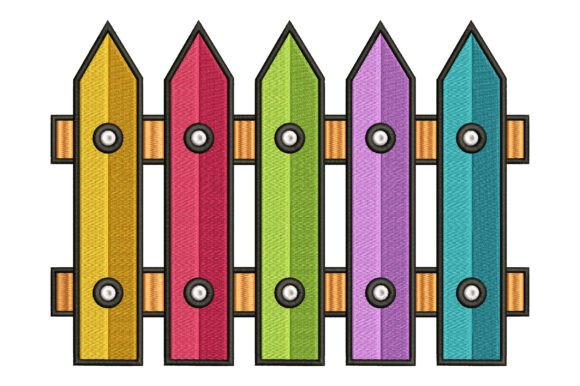
The moment you view the Picket Fence Embroidery Design, the description promises a "colorful and playful touch." For a small business owner looking to humanize their brand, this is a crucial starting point. Unlike rigid corporate logos, this design features bright fence panels that suggest openness, community, and a welcoming atmosphere. It feels rustic yet modern, making it an excellent choice for brands that want to convey a sense of craftsmanship and care.
In the context of the Back To School category, this design stands out as a unique alternative to standard school supplies. However, its appeal extends far beyond the classroom. The visual personality of the picket fence is versatile enough to fit a bakery, a florist, a pet brand, or a local café. It strikes a balance between being decorative and functional, which is exactly what a high-quality embroidery file needs to be. It does not scream for attention but rather invites the customer in, creating a warm first impression that can translate into higher perceived value for your products.
Real-World Application for Merchandise and Patches
The true test of any machine embroidery design is how it holds up in real-world business scenarios. Imagine a small café wanting to launch branded merchandise. The Picket Fence Embroidery Design could serve as the centerpiece for a custom apron, instantly communicating a homey, artisanal vibe. The clean lines of the fence panels work exceptionally well on canvas tote bags, offering a sturdy look that complements the fabric's texture without overwhelming it.
For businesses that rely on staff uniforms, this design offers a subtle yet distinct accent. Placing it on the chest of a work shirt or as a detail on a sleeve adds a layer of visual consistency that elevates the entire team's appearance. It transforms a standard uniform into a branded experience. Furthermore, if you are producing embroidered patches, this design is highly effective. The linear nature of the fence makes it ideal for rectangular or shield-shaped patches that can be attached to denim jackets, caps, or even product packaging accents.
Etsy sellers and craft business owners will find particular value in using this as a digital design asset. Whether you are creating printable mockups for client approval or selling the physical finished product, the Picket Fence Embroidery Design allows for easy customization. You can pair it with different thread colors to match your specific brand palette, ensuring that your custom apparel remains cohesive across various items like hats, tote bags, and aprons.
Strategic Considerations and Limitations
While the design is charming, a professional must always consider where it should be used carefully. The stitch density and the intricacy of the outlines are key factors. If you plan to use this for very small patch sizes, such as those intended for the front of a cap or a tiny pocket logo, you may encounter issues with the details merging together. Small patch sizes require simplified geometry to remain legible after washing and wear.
Curved surfaces, like the front panel of a baseball cap, present another challenge. While the design is adaptable, the straight lines of the fence might distort slightly if not hooped correctly on a curved surface. Additionally, if you are working with dark uniforms, the contrast of the thread colors becomes critical. Without proper underlay and thread selection, the brightness described in the product title might be lost against a black or navy background. Items that require frequent industrial washing, such as heavy-duty work shirts, also need a design with robust stitching to prevent fraying over time.
Textured fabrics can sometimes hide the fine details of the fence panels. Before committing to a large production run, it is vital to inspect the spacing and confirm that the hoop size accommodates the full width of the design without cutting off essential elements. These considerations ensure that the finished product maintains its quality and professional appearance.
Impact on Brand Identity and Customer Trust
Investing in high-quality embroidery goes beyond aesthetics; it directly influences brand identity and customer trust. A crisp, well-executed embroidered patch signals that a business cares about details. When a customer sees the Picket Fence Embroidery Design on a tote bag or an apron, they perceive the brand as established and reliable. This visual consistency reinforces the message of a handmade product crafted with intention.
Furthermore, this design can enhance buyer engagement. In a crowded market, a unique and friendly logo helps your business stand out. The playful nature of the fence suggests a brand that is approachable and customer-focused, which can lead to stronger emotional connections with your audience. By integrating this design into your commercial embroidery projects, you are not just adding a graphic; you are building a recognizable visual language that customers will associate with quality and service.
Essential Designer Notes for Production
Before you begin production, there are several practical steps every designer should take. First, test the design in black and white to ensure the structure holds up without relying on color. Check if it works effectively at your intended small patch size; if the details are too fine, consider simplifying the file. Review the thread color contrast to ensure visibility on your chosen fabric texture.
Always inspect the spacing and confirm the hoop size matches your garment dimensions. Testing on real fabric is non-negotiable; digital mockups are useful, but only a physical sample reveals how the threads interact with the material. Use the proper stabilizer to support the stitches and prevent puckering. Creating a printable mockup for client approval is also a smart move to manage expectations before cutting any fabric.
Finally, compare this design beside other design assets in your collection to ensure it fits the overall aesthetic. Most importantly, confirm the commercial licensing terms before using the digital embroidery file for any business purpose. Do not invent exact stitch counts or license terms based on assumptions; verify these details directly with the provider to avoid legal issues.
By following these guidelines, the Picket Fence Embroidery Design can become a powerful tool in your arsenal for creating memorable small business merch. It offers a blend of charm and professionalism that, when executed correctly, will elevate your brand presence in the marketplace.