67 Days of School Embroidery Design Review
As an experienced embroidery designer who has spent years refining designs for commercial merchandise, I approach every new file with a critical eye. When 67 Days of School Embroidery landed on my desk, I didn't just see a cute graphic; I saw a potential asset for small business owners, boutique shops, and creative studios looking to capitalize on the "Back To School" season. This design is not merely decorative; it is a strategic tool for building brand identity through custom apparel and branded patches.
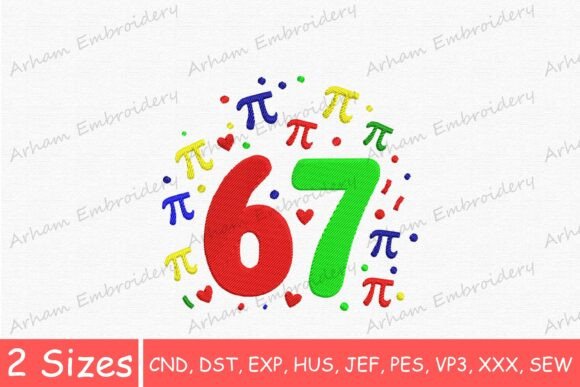
The title and description immediately signal a playful yet professional tone. The mention of a "Colorful Pi Themed Stitch Pattern" suggests a design that balances mathematical precision with artistic flair. For a business owner selling handmade products or managing a team of staff, this visual personality is crucial. It feels friendly and bold without being overwhelming, making it an excellent candidate for embroidered patches, apron embroidery, or even as a subtle accent on cap embroidery for educational workshops.
Visual Personality and Brand Identity
The first impression of 67 Days of School Embroidery is one of vibrant celebration. In the world of digital embroidery files, few things kill a brand's professionalism faster than a design that looks cheap or poorly balanced. However, the promise of a "Math Celebration" theme implies a structured layout that likely respects negative space and stitch direction. This is vital for maintaining a premium feel on finished products.
When evaluating how this design affects brand identity, we must consider consistency. A small café or bakery could use this motif to create a cohesive look across their small business merch. Imagine a barista wearing an apron embroidered with this design alongside a tote bag featuring the same motif. The visual consistency builds customer trust and recognition. It signals that the business pays attention to detail and values the "milestone" aspect of education, which resonates deeply with parents and students alike.
The design's ability to serve as a custom apparel piece is enhanced by its thematic relevance. It transforms a standard work shirt into a statement piece. For Etsy sellers and craft business assets, this file offers a unique angle: celebrating the specific milestone of 67 days rather than just the generic start of school. This specificity adds value to the product, making it feel more exclusive and thoughtfully designed.
Real-World Business Applications
Let us examine how 67 Days of School Embroidery performs in real business scenarios. The versatility of this design makes it suitable for a wide array of applications beyond simple t-shirts.
- Embroidered Patches: This design shines when converted into a sew-on patch. A local florist or pet brand could add a small version of this design to a limited-edition tote bag, creating a fun cross-promotional item. The colorful nature of the design ensures it stands out against denim or canvas backgrounds.
- Staff Uniforms and Aprons: For a creative studio or a classroom management service, this design can be used for staff uniforms. It fosters a sense of community and shared spirit among employees. The "Pi Themed" element adds a layer of intellectual charm that elevates the perceived quality of the uniform.
- Cap Embroidery: While caps are challenging surfaces, the central placement of a design like this works well on the front panel. It serves as a perfect accessory for teachers or event staff during school fairs and open houses.
- Tote Bag Design: A durable tote bag featuring this machine embroidery design is a high-value promotional item. It acts as a walking billboard for the business, spreading brand awareness while providing utility to the customer.
- Product Packaging Accents: Small businesses often overlook packaging. Adding a tiny version of this design to the lid of a candle box or the tag of a garment can turn a standard unboxing experience into a memorable event.
The design also excels as a commercial embroidery project for print-on-demand services. By offering this as a customizable option for schools or parent groups, merchants can tap into a niche market that is actively seeking unique, non-generic back-to-school items.
Critical Considerations for Production
While the potential is high, an experienced designer knows that execution is everything. There are specific areas where 67 Days of School Embroidery requires careful handling to ensure the finished product meets professional standards.
Sizing and Detail: If you plan to use this for a small patch size, you must scrutinize the fine details. Designs with intricate outlines or tiny lettering can become muddy if stitched too small. Before committing to a full production run, test the design at your intended final size. If the text becomes illegible or the pi symbol loses its shape, the design will fail to convey the intended message.
Fabric Texture and Color: The description mentions "colorful," which implies a multi-thread palette. On dark uniforms or textured fabrics, thread color contrast becomes a major factor. Light threads may get lost on black cotton, requiring a underlay or a different thread choice. Always inspect spacing to ensure the design does not bunch up on thicker materials like denim or fleece.
Stitch Density and Durability: High stitch density can make a design stiff and uncomfortable, particularly on a cap front or a fitted shirt. Conversely, low density might result in a flimsy look. You must confirm the balance of the design to ensure it withstands frequent washing, a common requirement for staff uniforms and apron embroidery.
Curved Surfaces: Embroidering on a curved surface like a baseball cap requires specialized techniques. The design must be digitized specifically for the curve to prevent distortion. Do not assume a flat design will translate perfectly to a curved hat without testing.
Practical Designer Notes for Success
To maximize the return on investment for this digital embroidery file, follow these practical steps before launching your product line.
- Test in Black and White: Create a monochrome mockup first. This helps you evaluate the composition and balance of the design without the distraction of colors. If it looks good in grayscale, it will likely hold up in full color.
- Check Thread Color Contrast: Review the provided thread colors against your target fabric. Ensure there is sufficient contrast to maintain readability and visual impact.
- Inspect Spacing and Hoop Size: Confirm the recommended hoop size for the design. Using a hoop that is too small for the design dimensions can lead to alignment issues or incomplete stitching.
- Test on Real Fabric: Never rely solely on a screen preview. Stitch the design on the actual fabric you intend to sell. This reveals how the material interacts with the stitches and stabilizer.
- Use Proper Stabilizer: The longevity of the design depends heavily on the stabilizer used. For stretchy fabrics like jersey, a cut-away stabilizer is essential to prevent puckering over time.
- Create a Printable Mockup: Use software to generate a realistic mockup for client approval. This allows customers to visualize the design on a tote bag or apron before they commit to purchasing.
- Compare Design Assets: Place this design beside other elements in your collection. Does it harmonize? Does it stand out appropriately?
- Confirm Commercial Licensing: Before using this design for branded product labels or mass production, verify the commercial license terms. Ensure you have the legal right to reproduce the design on merchandise for sale.
In conclusion, 67 Days of School Embroidery is a versatile and engaging asset for any small business looking to enhance their handmade product offerings. With careful attention to stitch density, fabric selection, and licensing, this design can elevate your brand from a simple seller to a creator of meaningful, high-quality experiences. Whether applied to a student's backpack or a teacher's apron, it brings a touch of mathematical joy and school spirit to everyday life.