Review: Embroidery Thread Clip Art
As an embroidery designer who has spent years turning digital concepts into tangible, stitched reality for small businesses, I approach every new asset with a mix of excitement and skepticism. When Embroidery Thread Clip Art - 100 Colors landed on my desk, I didn’t just see graphics; I saw potential merchandise. For the modern entrepreneur—whether you run a boutique bakery, a local florist, or a handmade jewelry shop on Etsy—the visual identity of your brand is everything. This review explores how this specific design asset performs in real-world commercial applications, from branded patches to staff uniforms.
First Impressions: Professionalism Meets Versatility
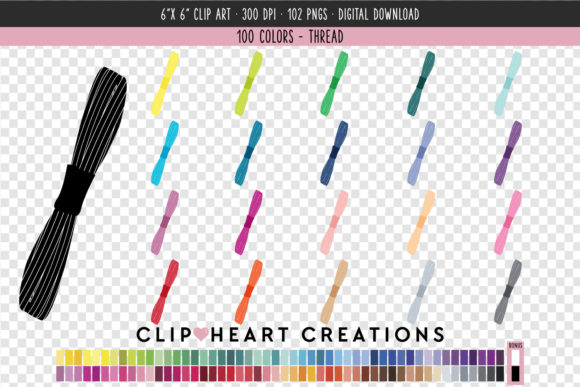
The title suggests a broad palette, and that is exactly what matters when creating small business merch. In the world of machine embroidery, color variety is not just aesthetic; it is functional. The immediate impression of Embroidery Thread Clip Art - 100 Colors is one of flexibility. It feels neither overly rigid nor chaotically decorative. Instead, it strikes a balance between professional polish and the friendly, approachable vibe that customers crave in today’s market.
For a graphic categorized under Icons and Graphics, its strength lies in its adaptability. It does not scream "clip art" in a cheap way; rather, it offers clean lines and distinct shapes that translate well into thread. Whether you are aiming for a rustic look for a farm-to-table café or a sleek, modern aesthetic for a tech-focused startup, the sheer volume of available thread colors allows you to match your brand guidelines precisely. This is crucial for maintaining brand identity across different product types.
Real-World Business Applications
Let’s move past the screen and talk about production. How does Embroidery Thread Clip Art - 100 Colors hold up when converted into a physical product? Here is where the rubber meets the road.
- Embroidered Patches: One of the most popular uses for this type of design is creating custom patches. These serve as badges of honor for staff uniforms or as detachable accessories on denim jackets and backpacks. The clean iconography works exceptionally well here, allowing for crisp edges even at smaller sizes.
- Chest Logos and Cap Embroidery: For custom apparel, simplicity is key. A complex illustration might get lost on a curved cap front, but a well-designed icon can sit perfectly on a chest pocket or the center of a dad hat. The 100-color option ensures that skin tones, food items, or nature-inspired motifs look realistic rather than muddy.
- Apron Embroidery: If you own a coffee shop or a bakery, your aprons are walking billboards. Using this clip art for a subtle chest logo adds a touch of professionalism without overwhelming the garment. It signals to customers that attention to detail matters.
- Tote Bag Design: Canvas totes are a staple for handmade product sellers. The design translates beautifully onto fabric, offering a durable alternative to printed heat transfers that crack over time. An embroidered mark on a tote bag elevates the perceived value of the item.
- Product Packaging Accents: Don’t limit yourself to clothing. Sewing a small embroidered label featuring this icon onto gift tags, cupcake toppers, or product packaging creates a cohesive unboxing experience. It turns a simple purchase into a premium gift.
Strategic Use Cases for Specific Industries
Consider a pet brand looking to create a line of dog bandanas or collar tags. The versatility of Embroidery Thread Clip Art - 100 Colors allows for vibrant paws, bones, or silhouettes that pop against various fabric backgrounds. Similarly, a creative studio might use these icons for laptop sleeves or notebook covers, reinforcing their artistic brand through tactile design assets.
Where Caution Is Required
No design is perfect for every scenario. As a designer, I must highlight areas where Embroidery Thread Clip Art - 100 Colors requires careful planning to avoid production headaches.
First, be mindful of scale. While the design is versatile, extremely small patch sizes can cause issues if the internal details are too fine. Tiny lettering or intricate outlines may merge together during the stitching process, resulting in a blob rather than a clear image. Always test the design at the actual size you intend to produce.
Secondly, consider the substrate. Embroidering on highly textured fabrics, such as heavy burlap or loose-weave linen, can distort the precision of digital icons. Dark uniforms also pose a challenge; if the design relies on light-colored threads for contrast, ensure your base fabric doesn’t show through. High stitch density can make garments stiff and uncomfortable, so review the digitization carefully to keep the feel soft and wearable.
Impact on Brand Identity and Customer Trust
Why does this matter? Because embroidery conveys quality. A customer can feel the difference between a cheap print and a stitched logo. By using high-quality design assets like Embroidery Thread Clip Art - 100 Colors, you signal that your business invests in durability and aesthetics. This enhances customer trust and recognition. When a client sees consistent, sharp branding on your caps, aprons, and merchandise, it reinforces the professionalism of your operation. It transforms a simple transaction into a brand experience, encouraging repeat engagement and loyalty.
Practical Designer Notes for Production
Before you send any file to production, follow these essential steps to ensure success:
- Test in Black and White: Strip away the color and view the design in grayscale. Does the shape remain recognizable? If the silhouette fails, the color won’t save it.
- Check Stitch Density: Ensure the design isn’t too dense for the intended fabric. Too much thread can cause puckering, especially on delicate materials.
- Confirm Hoop Size: Verify that the final design fits within your standard hoop dimensions. This prevents costly errors during setup.
- Use Proper Stabilizer: The right stabilizer is critical for maintaining the integrity of the icon, preventing shifting or distortion.
- Create a Printable Mockup: Before committing to bulk production, generate a printable mockup to visualize how the digital embroidery file looks on the actual product.
- Inspect Spacing and Contrast: Look closely at the spacing between elements. Ensure there is enough negative space for the needle to pass cleanly. Check that the chosen thread colors offer sufficient contrast against the background fabric.
- Test on Real Fabric: Screen prints lie; embroidery tells the truth. Always stitch a sample on the exact fabric you plan to use.
- Verify Commercial Licensing: This is non-negotiable. Confirm that you have the rights to use Embroidery Thread Clip Art - 100 Colors for commercial merchandise. Do not assume standard clip art licenses cover mass-produced goods.
Final Verdict
Embroidery Thread Clip Art - 100 Colors is a robust tool for the serious small business owner. It bridges the gap between digital convenience and physical craftsmanship. By understanding its strengths in commercial embroidery and respecting its limitations regarding scale and fabric choice, you can create merchandise that truly represents your brand. From apron embroidery to detailed cap embroidery, this asset provides the foundation for a cohesive, professional, and visually appealing product line. Just remember to check the specific technical details of the file format and licensing before you start stitching.