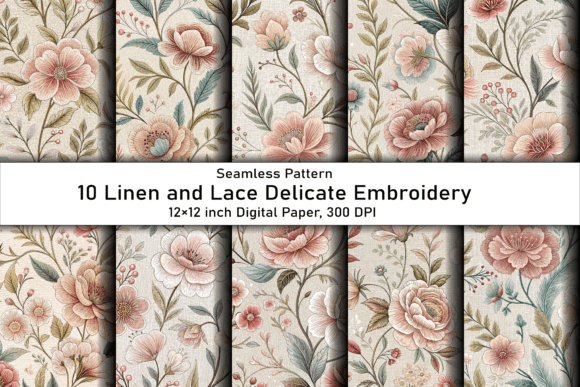
Linen and Lace Delicate Embroidery Review
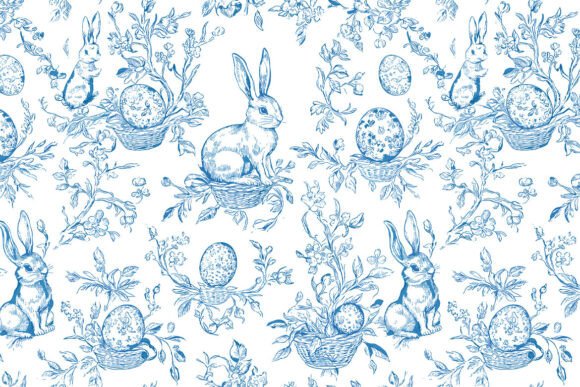
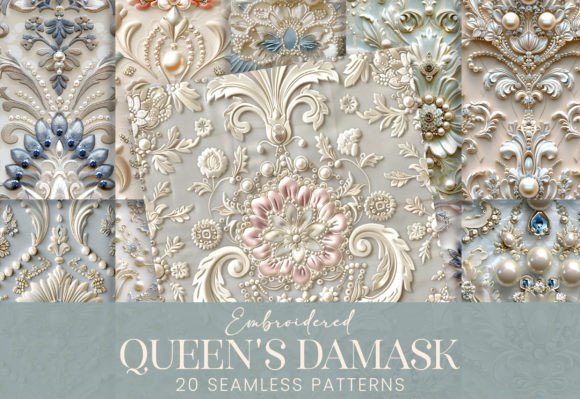
As an embroidery designer who has spent years translating digital concepts into tangible thread, I approach every new asset with a mix of creative excitement and technical skepticism. When reviewing Linen and Lace Delicate Embroidery, my primary focus is not just on aesthetic appeal, but on its viability for small business merch and commercial applications. The product description highlights a "Vintage Embroidery Digital Paper Collection" featuring 10 seamless patterns described as adding "timeless elegance." This immediately signals a specific niche: brands that value heritage, craftsmanship, and a soft, romantic visual identity.
First Impressions and Visual Personality
The title Linen and Lace Delicate Embroidery sets a clear expectation. It suggests a design language that is refined, feminine, and slightly rustic without being cluttered. In the context of modern branding, this style bridges the gap between classic elegance and contemporary handmade aesthetics. For a small business owner, whether running a boutique bakery, a florist studio, or a pet care brand, this visual personality communicates trust and quality.
Unlike bold, graphic-heavy designs that scream for attention, Linen and Lace Delicate Embroidery whispers. It invites the customer to look closer. This subtlety is a significant asset for brand identity because it allows the logo or accompanying text to remain the focal point while providing a sophisticated backdrop. The "seamless" nature of the patterns mentioned in the collection implies versatility, allowing designers to tile these elements across large surfaces like aprons or tote bags without visible seams disrupting the flow.
Real-World Business Applications
So, how does this design translate from a digital preview to a physical product? In my experience, delicate embroidery shines when applied to items that benefit from a tactile, premium feel. Here is how I see Linen and Lace Delicate Embroidery performing in various commercial scenarios:
- Embroidered Patches: These patterns are ideal for creating back patches for jackets or chest patches for work shirts. The intricate details add a layer of perceived value that simple logos cannot achieve.
- Apron Embroidery: For cafes, bakeries, or craft studios, an apron featuring a subtle lace motif can elevate staff uniforms from generic to branded. It signals to customers that the business cares about detail.
- Tote Bag Design: Canvas totes are a staple for Etsy sellers and market vendors. Using Linen and Lace Delicate Embroidery as a corner accent or a central medallion creates a unique selling proposition (USP) compared to printed alternatives.
- Cap Embroidery: While cap fronts have limited space, a small, well-executed lace element can serve as a charming accent near the brim or on the side panel, appealing to fashion-forward demographics.
- Product Packaging Accents: Beyond apparel, these designs can be used on hang tags, gift boxes, or even as printable mockups for digital planners, expanding the utility of your design assets.
The key here is commercial embroidery versatility. By integrating these patterns, you are not just selling a product; you are selling an experience rooted in tradition and care. This directly impacts customer trust and buyer engagement, as handmade-quality details resonate deeply with consumers who support small businesses.
Technical Considerations and Limitations
However, elegance often comes with technical challenges. As a professional, I must advise caution in where and how you apply Linen and Lace Delicate Embroidery. Not all fabrics and surfaces are created equal.
- Small Patch Sizes: If you plan to use these patterns on very small patches (under 2 inches), you risk losing the delicate details. Fine lines may merge together, resulting in a muddy appearance rather than a crisp lace effect.
- Curved Surfaces: Applying detailed embroidery to curved items like caps or sleeves requires advanced hooping techniques. Without proper tension control, the delicate stitches can pucker or distort.
- Thread Color Contrast: White-on-white or light pastel-on-light fabric can look stunning but may lack visibility. Ensure there is sufficient contrast between the thread colors and the base fabric to maintain legibility.
- High Stitch Density: Delicate designs often require dense stitching to hold their shape. On lightweight or stretchy fabrics, this can cause distortion. Always test on a scrap piece of your actual fabric texture before committing to production.
- Frequent Washing: For items like aprons or work shirts that undergo frequent laundering, ensure the stabilizer used is appropriate. A poor choice of stabilizer can lead to residue buildup or stitch degradation over time.
Impact on Brand Identity and Product Value
Integrating Linen and Lace Delicate Embroidery into your product line does more than just decorate; it elevates. Customers associate high-quality embroidery with durability and luxury. When a buyer sees a handmade product label accompanied by intricate lace detailing, they perceive higher value, often justifying a premium price point. This contributes to visual consistency across your brand, making your merchandise instantly recognizable at craft fairs, online marketplaces, or retail stores.
Furthermore, this style appeals to a demographic that values sustainability and artisanal craftsmanship. By choosing embroidered accents over cheap prints, you align your brand with eco-conscious and quality-driven consumers. This strengthens brand identity and fosters long-term loyalty.
Practical Designer Notes for Production
Before adding Linen and Lace Delicate Embroidery to your production workflow, follow these essential steps to ensure success:
- Test in Black and White: View the design in grayscale first. This helps you assess the balance and spacing of the elements without being distracted by color.
- Check Small Scale Legibility: Resize the embroidery file to the size of your intended patch or logo area. Can you still distinguish the lace motifs? If not, simplify the design or increase the scale.
- Review Thread Color Contrast: Select threads that complement the pattern’s vintage vibe while ensuring readability. Silk or rayon threads often enhance the sheen of lace designs.
- Inspect Spacing and Hoop Size: Confirm that the hoop size accommodates the entire design without cutting off critical details. Adjust digitizing if necessary to fit standard hoops.
- Test on Real Fabric: Never skip the sample run. Stitch the design on the actual fabric you plan to use. Observe how the fabric texture interacts with the stitches.
- Create a Printable Mockup: Use the digital paper collection to create a printable mockup for client approval or marketing materials. This allows you to visualize the final product before investing in thread and labor.
- Compare Beside Other Assets: Ensure the Linen and Lace Delicate Embroidery style aligns with your other design assets. Consistency in style reinforces professionalism.
- Confirm Commercial Licensing: Most importantly, verify the licensing terms of the digital embroidery file. Ensure you have the right to use these patterns for commercial embroidery projects, including selling finished goods.
In conclusion, Linen and Lace Delicate Embroidery offers a powerful tool for small business owners looking to differentiate their merchandise. Its timeless elegance and versatile application make it suitable for a wide range of products, from custom apparel to tote bag design. However, success depends on careful execution. By respecting the technical limitations and prioritizing quality in every stitch, you can transform this digital asset into a tangible expression of your brand’s commitment to excellence. Whether you are an Etsy seller, a merch creator, or a product designer, incorporating these delicate patterns can significantly enhance your finished product and leave a lasting impression on your customers.