I Love 90s: A Designer's Real-World Review
When I first opened the file for I Love 90s, my initial reaction wasn't about the nostalgia; it was about the potential. As someone who has spent years reviewing embroidery designs for both personal crafting and commercial small business ventures, I look past the pretty preview image to see how a design actually behaves under the needle. This piece is categorized under Back To School themes, but its appeal stretches far beyond just the start of an academic year. It feels like a versatile asset that could easily find a home in a boutique shop, a handmade Etsy listing, or a personalized gift for a friend.
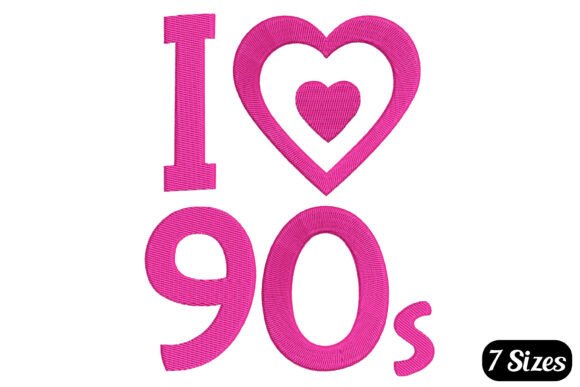
The concept is simple yet effective: a retro aesthetic that taps into the cultural zeitgeist of the nineties. For an embroidery designer, the mood created by the layout is crucial. Does it feel dated, or does it feel curated? I Love 90s strikes a balance that suggests a subtle touch of charm rather than an overwhelming graphic statement. This makes it an excellent candidate for projects where you want the design to be a focal point without dominating the entire garment or accessory.
Real-World Application: The Custom Tote Bag Scenario
To truly understand the value of this design, I need to put it through a practical scenario. Imagine I am preparing inventory for a local craft fair or fulfilling a custom order for a client who wants a unique tote bag. The product description mentions it is perfect for stitching on T-shirts and towels, but let's think bigger.
If I were to place I Love 90s on a canvas tote bag, the visual weight seems appropriate. The text-based nature of the design allows it to sit comfortably on the front pocket of a bag or centered on the main body. However, the real test is in the execution. How does it translate from a digital mockup to a physical object? When I visualize this as a finished product, I imagine it paired with neutral thread colors like cream or sage green against a denim background. That contrast would highlight the retro vibe while keeping the overall look sophisticated enough for a high-end boutique product.
For a small business owner, this design offers a low-risk entry into the "retro" trend. Unlike complex applique designs that require multiple steps and precise cutting, I Love 90s appears to rely primarily on standard stitches. This efficiency is vital when scaling up production for a craft business. If you are an Etsy seller looking to create a line of school supplies or teacher gifts, this design fits the Back To School narrative perfectly without feeling forced.
Performance on Different Fabrics and Garments
One of the most critical aspects of any machine embroidery design is how it interacts with different fabric textures. I Love 90s has a personality that works best on stable surfaces. I would recommend testing this on cotton twill for hats, heavy-weight jersey for sweatshirts, or flannel for baby clothes. The design's charm lies in its clarity, which can be compromised if the fabric shifts during stitching.
Let's talk about sweatshirt embroidery. This is a popular category for custom apparel, and many designers struggle with designs that pucker on thick fleece. Based on the implied density of the design, it should hold up well on mid-weight fleece provided there is adequate stabilizer usage. The key here is the stitch density. If the fill stitches are too tight, the fabric might bunch up around the letters. If they are too loose, the texture will look flat and cheap. Since specific file details aren't provided in the source text, I always advise checking the stitch count before committing to a large batch.
For baby items, such as onesies or bibs, the "subtle touch" mentioned in the description is a major selling point. Parents often prefer embroidery that feels soft to the touch rather than stiff and raised. If I Love 90s utilizes a mix of satin stitch for outlines and running stitch for accents, it could offer that softer hand feel. This makes it ideal for personalized gifts where comfort is a priority alongside aesthetics.
Navigating the Challenges of Embroidery
Every design has its limitations, and being honest about them is part of professional design judgment. There are scenarios where I Love 90s might not be the best choice. Small hoop sizes can sometimes cut off fine details, especially if the lettering is intricate. If the design features tiny decorative accents or very thin lines, they may disappear or become jagged when stitched on a small area.
Textured fabrics present another hurdle. While a textured knit might look great in a photo, the uneven surface can cause the needle to deflect, leading to misaligned stitches. Similarly, stretchy fabrics like spandex blends require careful handling. Without proper stabilizer, the tension of the threads could warp the fabric, ruining the fit of a custom cap or a fitted shirt. Dark fabrics also demand attention; the thread color contrast must be deliberate. A light-colored design on a black shirt needs a specific thread choice to ensure legibility, whereas a dark design on white might get lost if the contrast isn't sharp.
Curved surfaces, such as caps, add another layer of complexity. The design needs to be digitized with curvature in mind to avoid distortion at the edges. If the design is flat-digitized, it might look stretched or compressed once applied to a curved brim. This is a common pitfall for hobbyists who try to use desktop designs on industrial machines without adjustments.
Visual Appeal and Brand Consistency
In the world of handmade products, visual appeal drives customer trust. A poorly executed embroidery job can make even the best idea look amateurish. I Love 90s has the potential to elevate a product because it carries a sense of nostalgia that resonates emotionally with buyers. When a customer sees a well-stitched "I Love 90s" patch on a jacket or a tote bag, they immediately connect with the era it represents.
For a creative entrepreneur, consistency is key. If you are building a brand around vintage-inspired goods, this design aligns well with that identity. It helps in creating a cohesive collection where every item tells a similar story. Whether you are selling digital embroidery files or finished physical goods, the quality of the stitch work reflects directly on your professionalism. A clean finish with no loose threads or puckering reinforces the buyer's perception of value.
However, it is important to remember that the design itself is only half the battle. The thread colors you choose play a massive role in the final outcome. Using high-quality polyester or rayon threads will ensure the colors pop and withstand frequent washing. Low-quality threads can fade quickly or pill, damaging the reputation of your handmade product.
Essential Steps Before You Stitch
Before you rush to print out hundreds of labels or start a production run, there are several practical steps every designer should take. First, always test the design on scrap fabric. This is non-negotiable. You need to verify how the stitches lay down and whether the stabilizer holds the fabric firm enough.
Review the stitch density carefully. If the design looks too dense in the center, consider reducing the fill percentage or adjusting the underlay settings. Inspect small details like corners and serifs; these are often the first things to break down during stitching. It is also wise to test the design in black and white mockups to ensure the contrast works before investing in thread.
Don't forget to check the licensing terms. If you plan to sell finished items featuring I Love 90s, you must confirm that the license allows for commercial use. Some digital embroidery files are restricted to personal use only, and violating these terms can lead to legal issues. Additionally, compare how the design looks on both light and dark backgrounds to ensure versatility across your product line.
Finally, consider the end-user experience. Will the finished product survive frequent washing? Is the embroidery comfortable against the skin? These questions matter deeply to customers who buy handmade goods. By addressing these concerns early, you ensure that your embroidery project results in a satisfied customer and a repeat sale.
In conclusion, I Love 90s is more than just a nostalgic phrase; it is a tool for creativity. With the right approach to stabilization, thread selection, and fabric choice, it can transform a simple tote bag or t-shirt into a cherished keepsake. Whether you are a seasoned pro or a hobbyist looking to expand your skills, taking the time to evaluate the design's behavior in real-world conditions will pay off in the quality of your finished product.