Germania One Blackletter Embroidery Font Review
As a designer who spends more time than I care to admit staring at stitch lines and debating thread color palettes, I approach every new digital asset with a healthy dose of skepticism. The embroidery market is saturated, and finding a font that balances historical aesthetic with modern stitching reliability is rare. Recently, I pulled the Germania One Blackletter Embroidery Font out of my library to test for an upcoming batch of custom client orders. My goal was simple: determine if this design holds up under the needle or if it’s just another pretty picture that falls apart in real-world application.
First Impressions: Mood and Visual Personality
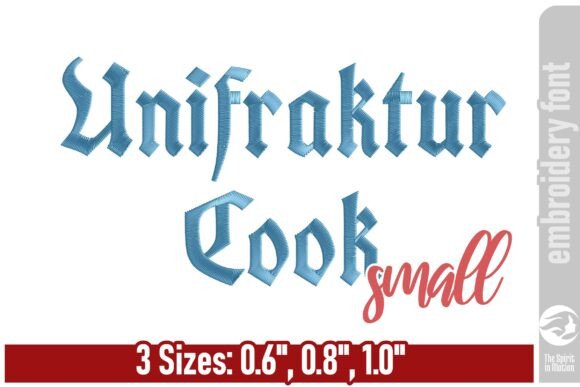
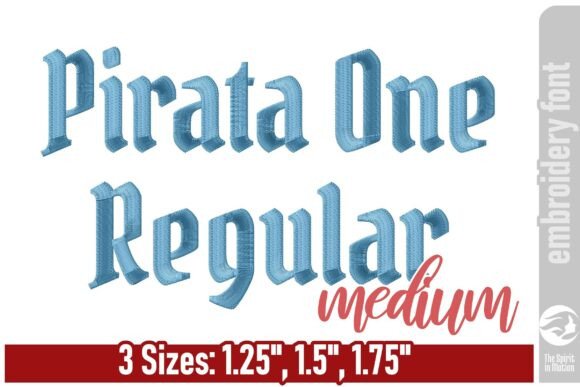
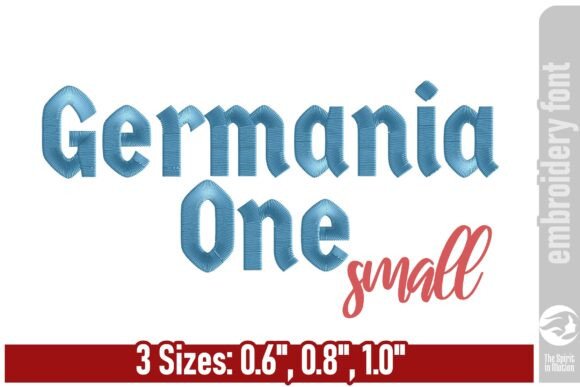
The moment you load the file into your digitizing software, the character of Germania One becomes apparent. This is not a subtle typeface. It commands attention. The Gothic Blackletter style evokes a strong sense of heritage, tradition, and boldness. It feels vintage yet modernized, striking a balance that works exceptionally well for brands looking to project authority or artisanal craftsmanship.
Visually, the letterforms are dense and intricate. The contrast between the thick downstrokes and thin upstrokes creates a dramatic texture that translates beautifully into embroidery. However, this density is exactly where a designer needs to pay close attention. In a digital mockup, it looks sharp. On fabric, those thin lines can disappear if the stitch density isn’t managed correctly or if the thread choice lacks sufficient contrast against the base material. For my initial review, the mood is undeniably strong—it screams "heritage brand" or "craft brewery," but it also has a playful edge suitable for personal gifts.
Real-World Application: The Tote Bag Test
To truly evaluate any embroidery design, you have to move beyond the screen. I decided to run a practical test using a standard canvas tote bag, a common request from my Etsy customers for personalized gift sets. The brief was to create a boutique-style label that felt handmade but professional.
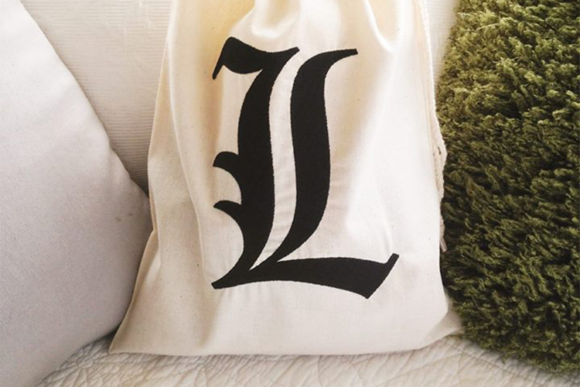
I placed the Germania One Blackletter Embroidery Font on the lower front panel of the bag. The immediate challenge with blackletter styles is legibility. Because the letters connect and overlap visually, they require ample negative space around them. If you crowd the text, the design turns into a muddy blob after stitching. I opted for a single-line layout with generous spacing, which allowed the individual character shapes to breathe.
The result was striking. When stitched in a high-contrast cream thread on the dark canvas, the font looked incredibly sophisticated. It elevated the product from a simple accessory to a statement piece. Customers often tell me they buy these bags because they want something that looks curated, not mass-produced. This font delivers that curated, artisanal feel. It works particularly well for custom apparel branding, adding a layer of perceived value that simpler sans-serif fonts sometimes lack.
Performance Across Different Mediums
While the tote bag was a success, I wanted to see how the Germania One Blackletter Embroidery Font would behave on other substrates commonly used by small business owners and crafters.
- Sweatshirt Embroidery: Heavy cotton blends provide a stable surface, which is ideal for the denser parts of this font. The texture of the fleece helps hide minor imperfections in the satin stitches, making this a forgiving combination for beginners.
- Baby Embroidery: Here, caution is required. While the font is beautiful, its heavy visual weight might overwhelm small items like onesies or burp cloths. If used on baby clothes, I recommend scaling it down significantly and using softer thread colors to temper the starkness of the blackletter style.
- Embroidered Patches: This is perhaps the strongest use case. The bold outlines and solid fill areas of Germania One translate perfectly into patch designs. Whether for denim jackets or backpacks, the design stands out clearly even from a distance, ensuring high recognition for brand consistency.
- Holiday Embroidery: For Christmas stockings or holiday kitchen towels, the font adds a classic, old-world charm. It pairs naturally with traditional color palettes like deep reds, forest greens, and golds.
Where to Exercise Caution
No design is perfect, and Germania One has specific limitations that every machine embroidery design user must respect. Ignoring these can lead to frustrated customers and ruined products.
First, avoid using this font on highly textured fabrics like bouclé or thick wools unless you are using a heavy-duty stabilizer. The needle penetration can be difficult, and the fabric texture may interfere with the fine details of the lettering. Similarly, stretchy knits require careful hooping and potentially a cut-away stabilizer to prevent distortion, as the tight stitches of blackletter fonts can pull and warp the fabric if not supported properly.
Another critical area is small hoop sizes. If you attempt to stitch very small text using this font, the details will merge. The thin strokes may break or become invisible, resulting in a messy finish. Always inspect the design in your software at the actual size you intend to stitch. If you cannot read the text clearly on your monitor, it will certainly be illegible on the finished product.
Additionally, consider the thread colors. Blackletter relies heavily on contrast. Using a similar-colored thread (e.g., navy blue on black fabric) will cause the intricate details to vanish. Stick to high-contrast combinations to maintain the integrity of the design.
Practical Designer Notes for Success
Before committing to a full production run, I always advise fellow designers and Etsy sellers to follow a few practical steps. First, test the Germania One Blackletter Embroidery Font on scrap fabric that matches your final product in weight and texture. This allows you to check the stitch density and adjust thread tension if necessary.
Review the stabilizer choice carefully. A light tear-away might suffice for a stiff hat brim, but a soft towel or a large tote bag will likely need a heavier support system to prevent puckering. Also, inspect the small details, such as the serifs and connecting lines, to ensure they are clean and free of excessive jumps or trims that could snag during wear.
Finally, confirm your licensing terms. If you plan to sell finished items created with this digital embroidery file, ensure you have the appropriate commercial license. Many creators overlook this step, leading to potential legal issues. Understanding whether the file is intended for personal use or commercial embroidery projects is essential for protecting your craft business.
Final Verdict
The Germania One Blackletter Embroidery Font is a powerful tool for any designer’s arsenal. It brings a distinct, professional, and timeless aesthetic to handmade products and personalized gifts. While it requires thoughtful placement and appropriate fabric choices, the payoff in terms of visual impact and customer appeal is significant. It transforms ordinary items into memorable keepsakes, making it a worthwhile addition for anyone serious about quality sewing and embroidery projects.